Olympic National Park in the Off-Season: Where to Go & What to Expect
Whether hiking to Marymere Falls, taking a dip in the crystal-clear waters of Lake Crescent, or strolling the cobblestone shoreline at Ruby Beach, Olympic National Park can be quite dreamy in the summer months. More often than not, the weather on the peninsula between June and September is warm and mild. Most of the roads and trails are open, along with the visitors centers. Like with most scenic spots in the Pacific Northwest, the single biggest drawback of visiting Olympic in the summer is the crowds.
By October, the crowds are quickly waning. Parking is plentiful once more. The trails, visitor centers, and viewpoints grow emptier by the day. The rain slowly returns and the entire region gets a little quieter.
Visiting the west side of the Olympic Peninsula in the off-season is an entirely different experience than in the summer. From October to April, the park becomes a bit of ghost town and the remaining travelers are typically the ones who can appreciate a rainy day, a moody atmosphere, and a strong sense of solitude. The park itself also changes quite a bit as the weather shifts. Sometime in October or November, some roads will be open on weekends only, while others will close until the snow melts in the spring. Campgrounds see their last few campers before the gates are locked. The visitors centers start to limit their hours and the seasonal lodges close up for winter. The off-season may not seem not seem like the best time to plan a trip to Olympic, and, for some people, it’s not. But, for those of us who can appreciate the moody Pacific Northwest energy, there are many reasons to make the trek to the Olympic Peninsula between October and April.
The lush rainforests are at their greenest. The waterfalls are raging. Fog and low-hanging clouds swirl between the pine trees and above the deep blue waters of Lake Crescent. Stormy coastal weather lingers over the coastline, giving everything a dramatic feel. There are no lines to get into the Hoh Rainforest. The Marymere Falls trailhead parking lot is almost empty. Hikers and sightseers get a chance to explore and experience Olympic National Park in a way most people don’t.
Are there drawbacks to visiting in the off-season? Sure. However, visiting in the dead of winter is special experience and definitely worth a few tradeoffs!
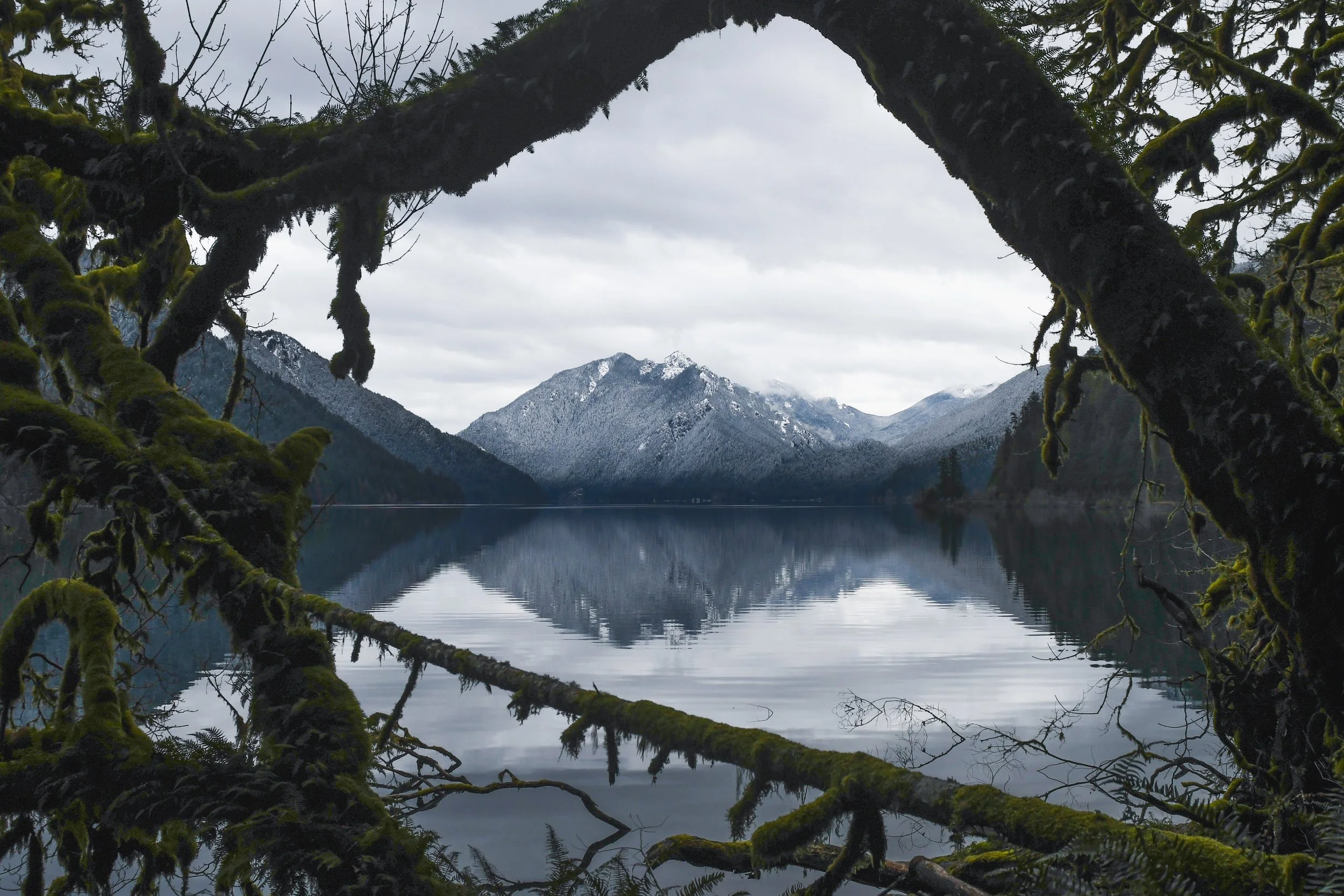
Lake Crescent in February- Rachel Irene
Where to Go
Olympic National Park covers an enormous geographic area that is accessible by following Highway 101 around the perimeter of the peninsula. There are also areas on the peninsula that are not a part of the park that are just as worth visiting. Below, you will find our best recommendations and suggestions for exploring the Olympic Peninsula in the off-season.
Hurricane Ridge (40 minutes from Port Angeles)
Hurricane Ridge is one of the highest accessible areas in Olympic National Park. On a clear day, you will find panoramic views reaching to all of the surrounding peaks, the Strait of Juan de Fuca, Mt Baker, and more. The views are unmatched! Visiting Hurricane Ridge in the fall, winter, and spring can be hit or miss. In the fall and late spring, your odds of being able to venture up to Hurricane Ridge are pretty good. However, winter and early spring weather can make things more difficult. The road to Hurricane Ridge can close during snowstorms and the road might only be open on weekends. The park also requires visitors to have tire chains in their cars (and know how to use them), so be sure to keep that in mind. If you are visiting the peninsula in the winter and can’t make it to Hurricane Ridge, don’t stress. There is plenty more to do, and it will just give you a reason to come back!
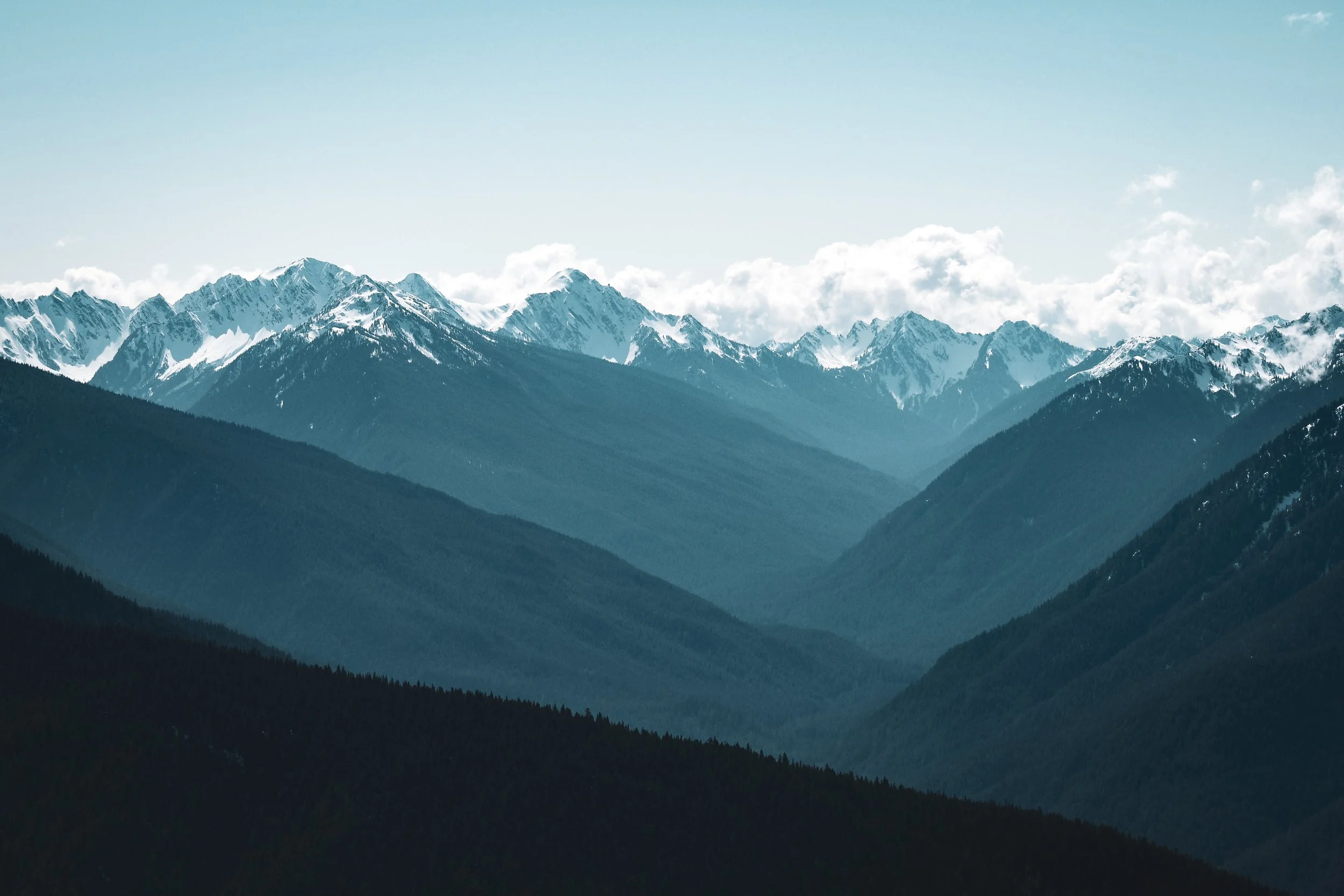
Hurricane Ridge in March - Rachel Irene
Madison Falls (15 minutes from Port Angeles)
Madison Falls is one of the easiest places to visit on the peninsula. After parking in the small lot just a few minutes off the highway, there is a very short trail leading to Madison Falls. While not the biggest or grandest waterfall on the peninsula, it is accessible year-round making it a worthwhile stop!
Lake Crescent (25 minutes from Port Angeles)
Lake Crescent is one of Olympic’s most well-known landmarks. On sunny days, you’ll see crystal clear water surrounded by a thick forest. On rainy days, the fog hovers above the water and up around Mt. Storm King making for dramatic views. The lake sits in between Port Angeles and Forks, and Highway 101 runs parallel to one side of the lake, so it’s hard to miss! Along the highway, there are a few small pullouts where visitors can stop to take in the views. At some of those pullouts, there are small paths that take you right down to the water. The most established area around the lake is near the Marymere Falls trailhead, Storm King Ranger Station, and the seasonal Lake Crescent Lodge. You can also explore the far east side of the lake using East Beach Road. The far west end of the lake is typically very quiet in the off-season as the surrounding campgrounds are closed. This side of the lake is accessed by a narrow dirt road, so use caution!
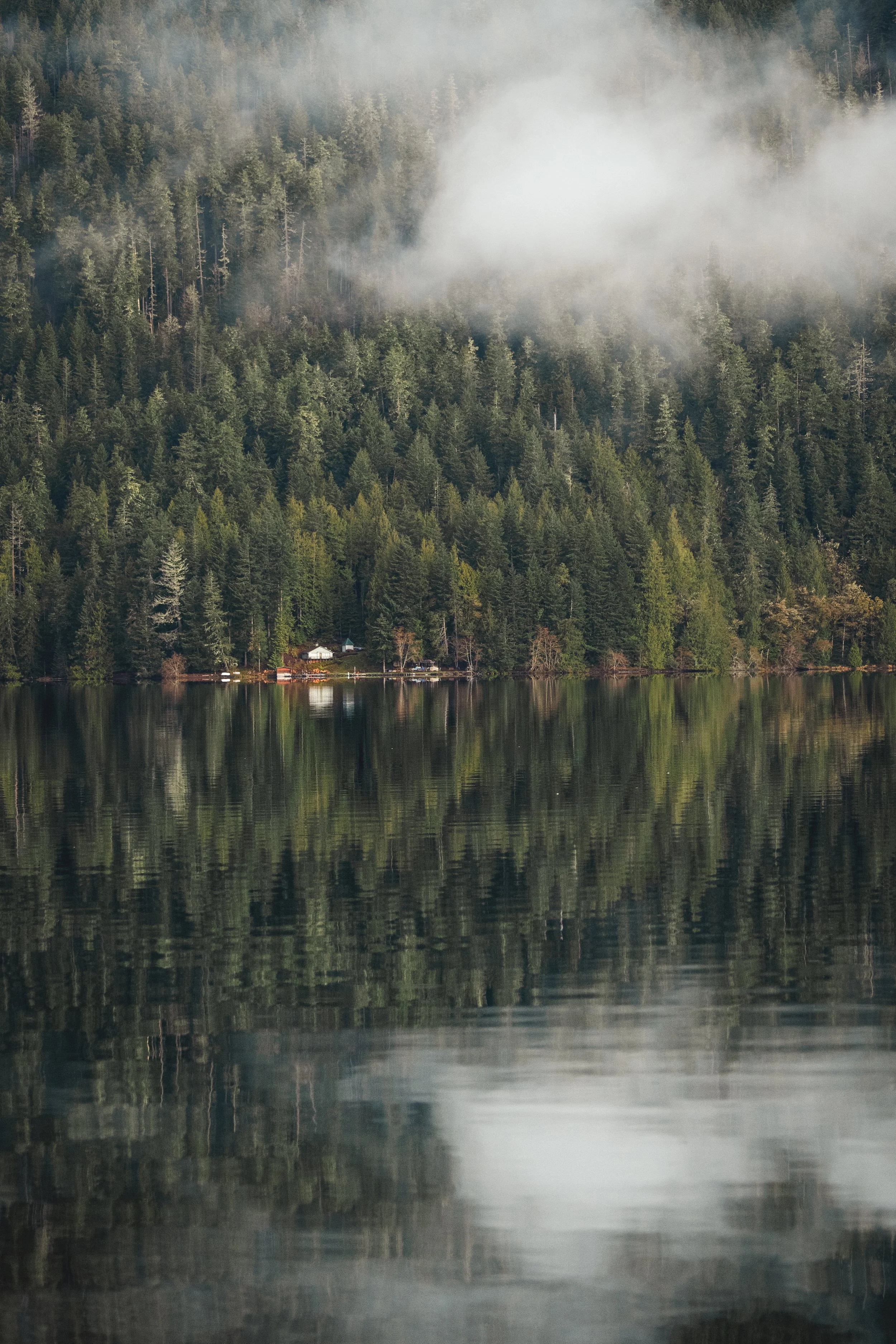
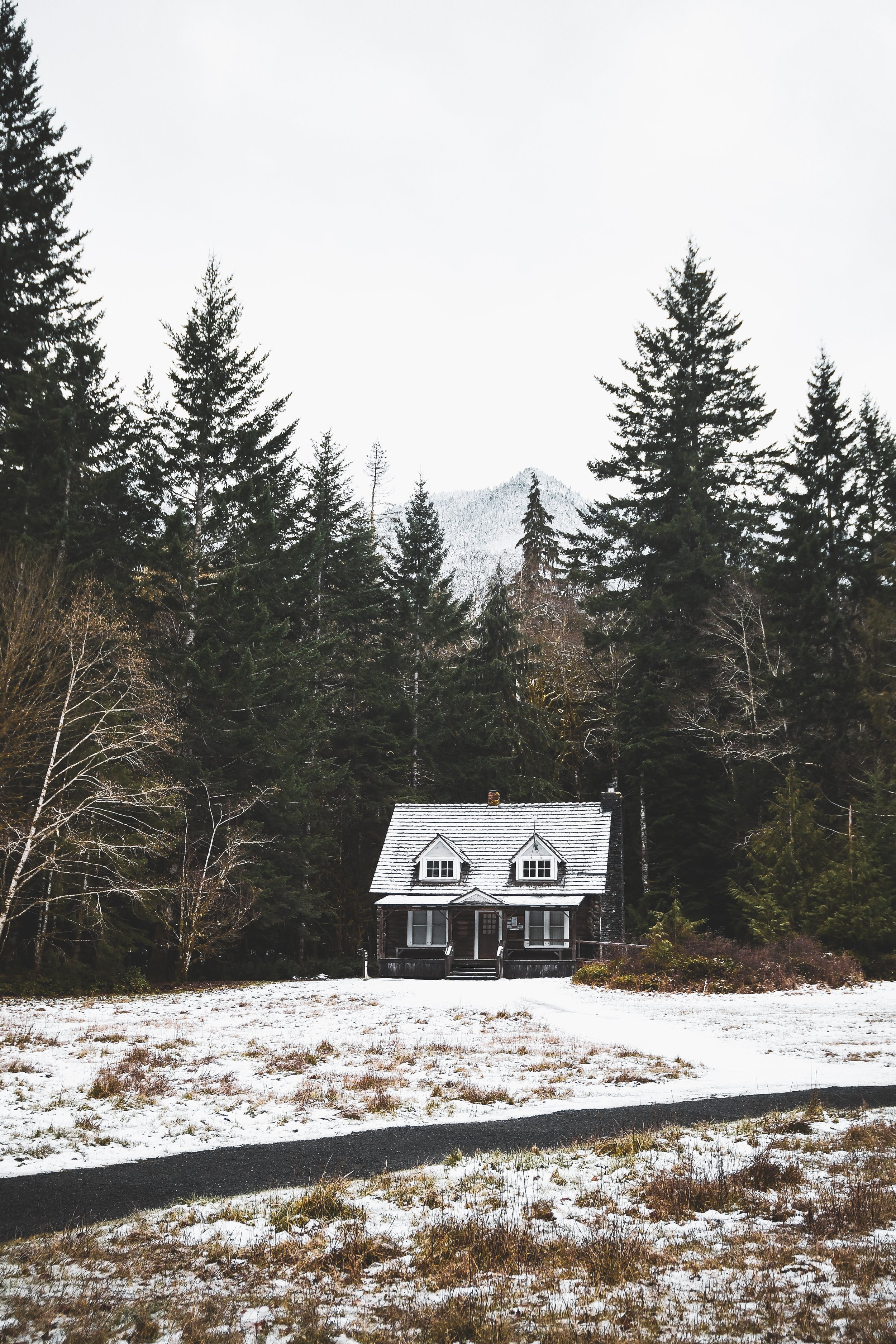
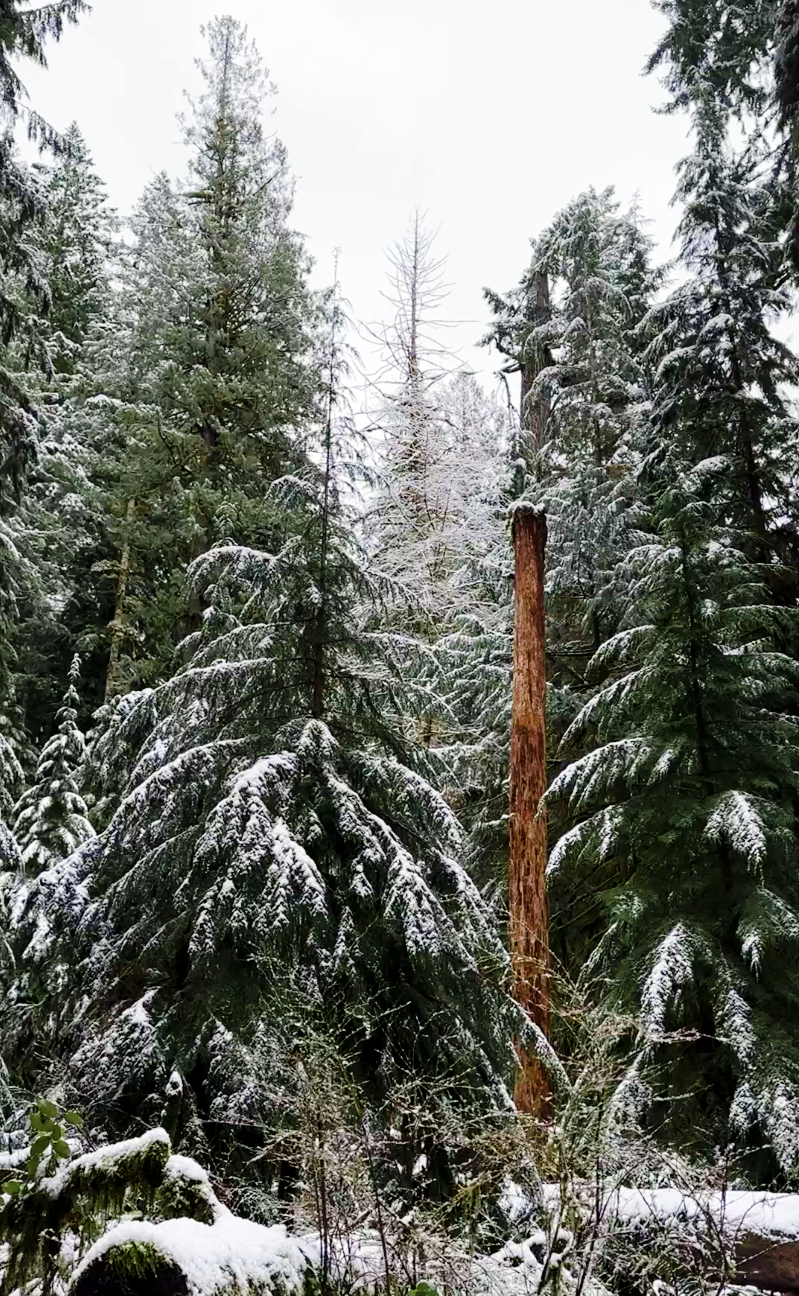
Photos Above: Lake Crescent, Storm King Ranger Station in February, Marymere Falls Trail in February- Rachel Irene
Marymere Falls (25 minutes form Port Angeles)
The Marymere Falls trailhead starts right next to the shore of Lake Crescent. This mostly easy 1.8-mile (round trip) trail winds you through the forest up to a gorgeous waterfall. In the summer, it is an incredibly busy trail. In colder weather, you might have the fortune of having it all to yourself. When you reach the waterfall, there are two viewing areas that offer slightly different vantage points of the falls. In the winter, this area can be a little icy so be careful!
Sol Duc Valley (1 hour from Port Angeles)
In the summer, the Sol Duc Valley is a busy area with multiple campgrounds, lodging, hot springs, and beautiful trails. Once the campgrounds and the resort close for the season on November 1st, the region quickly empties. The Sol Duc Hot Springs Road remains open as weather permits, but often closes during the winter due to snow and ice. Until the Sol Duc Hot Springs Road closes, visitors should try not to miss the opportunity to hike to Sol Duc Falls. Sol Duc Hot Springs Road dead-ends at the trailhead parking lot. After a short and easy 0.8-mile hike (one way) through a gorgeous forest, you’ll reach Sol Duc Falls. It is truly one of the most beautiful places on the entire peninsula. The road will reopen in the spring, though the timing depends on how much snow fell throughout the winter. Check current road conditions to plan ahead.
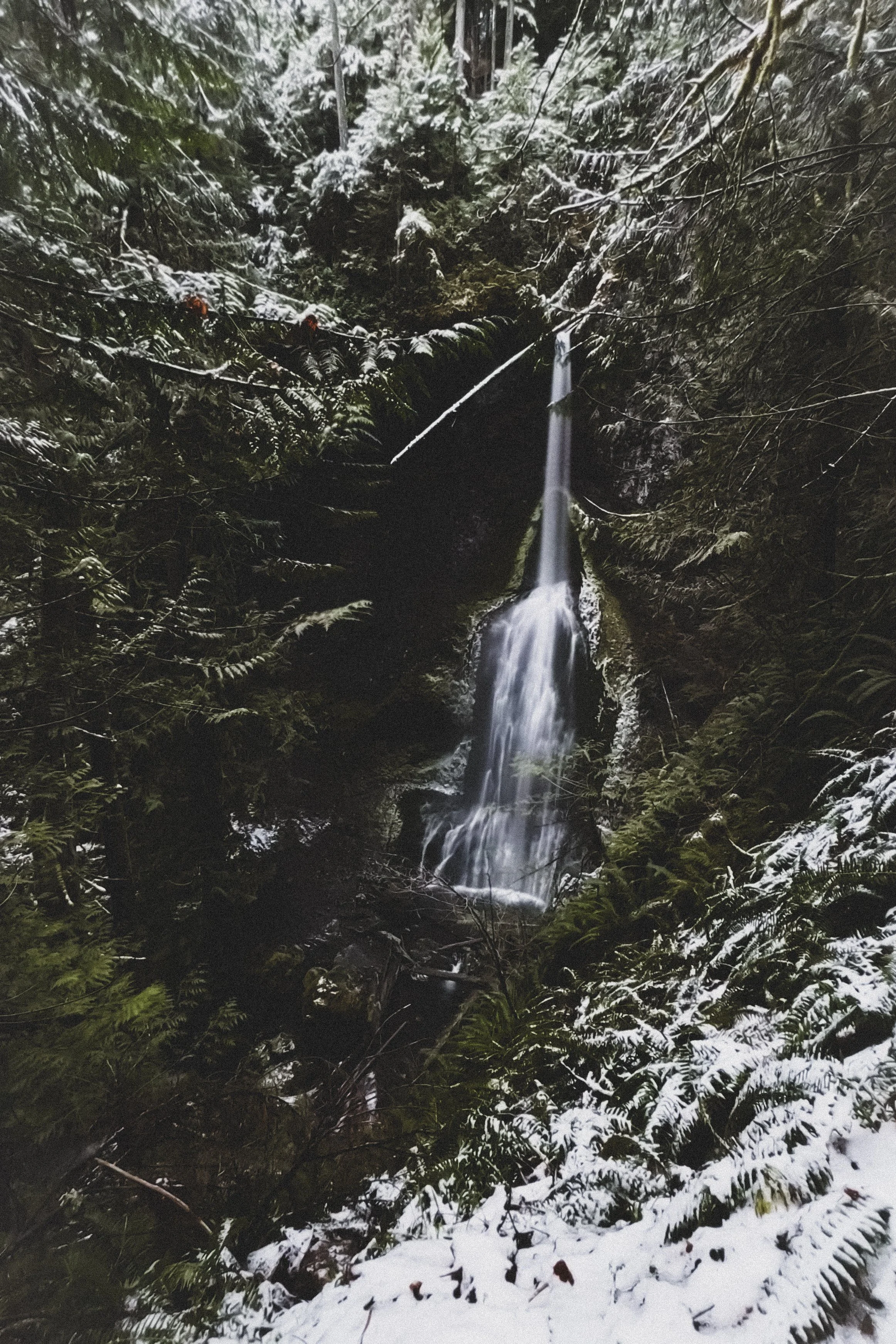
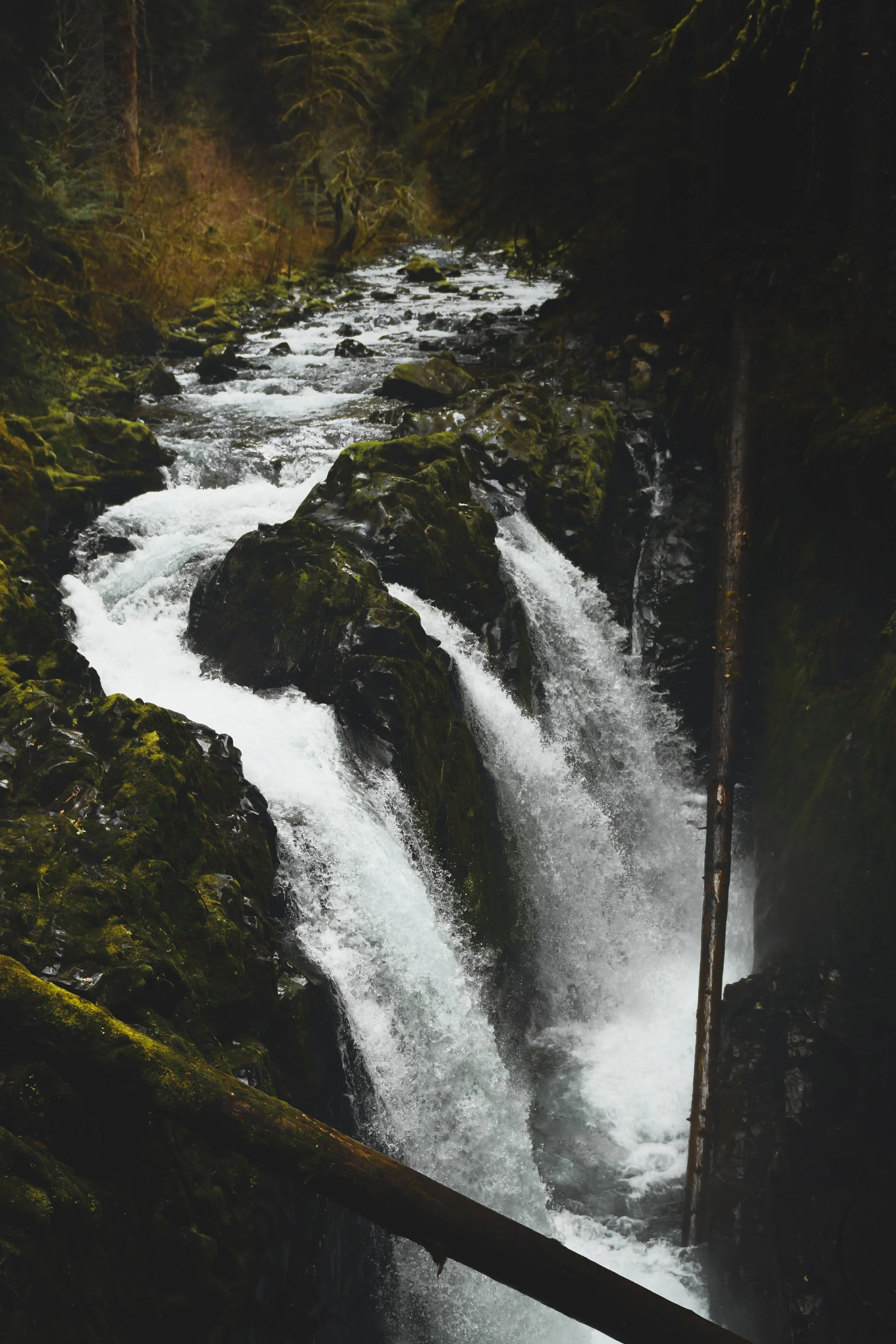
Photos Above: Marymere Falls in February, Sol Duc Falls in November- Rachel Irene
Salt Creek Recreation Area (25 minutes from Port Angeles)
Salt Creek Recreation Area is not a part of the national park, but it is absolutely worth the trip. Salt Creek Recreation Area sits on the shores of the Strait of Juan de Fuca which separates the U.S. and Canada. Upon entering, there are a few different roads leading to different parts of the park. You can park in the main lot and explore from there on foot, or you can drive into the campground. In the campground, there are a few small day-use parking lots (do not park at a campsite). Along the perimeter of the campground, there are a few paths leading to stairs that take you to the water. At high tide, the shoreline, rocks, and tide pools will be completely inaccessible. At low tide, you might be able to walk past the bottom stairs. Whether it’s high or low tide, the views are stunning! There is another small parking lot back on Crescent Beach Road that allows for beach access. Alternatively, right next door to this park is the private Crescent Beach. If you’d like to stroll the shoreline a little further, you can purchase a day-use pass from their small office to access their beach.
Neah Bay & Cape Flattery (2 hours from Port Angeles)
Neah Bay sits on reservation land and is home to the Makah people. It is also where you’ll find the farthest northwest point in the contiguous United States. Upon entering Neah Bay, stop at the Makah Cultural and Research Center to learn about the history of the land and the Makah Tribe. This is one place where you can also buy the required pass to enter the reservation and hike to Cape Flattery. After purchasing a pass, they’ll give you a map so you can navigate to Cape Flattery. The Cape Flattery Trail is less than a mile (one way), downhill on the way there, uphill on the way back, and requires walking on narrow (sometimes slippery) boardwalks. At the end of the trail, there are a handful of incredibly scenic viewpoints and overlooks sitting atop rugged coastal cliffs (stay on the trail for safety). After hiking Cape Flattery, you might consider exploring some of the other public spots on the map around Neah Bay. Remember to leave absolutely no trace and be respectful of the Makah people and their land.
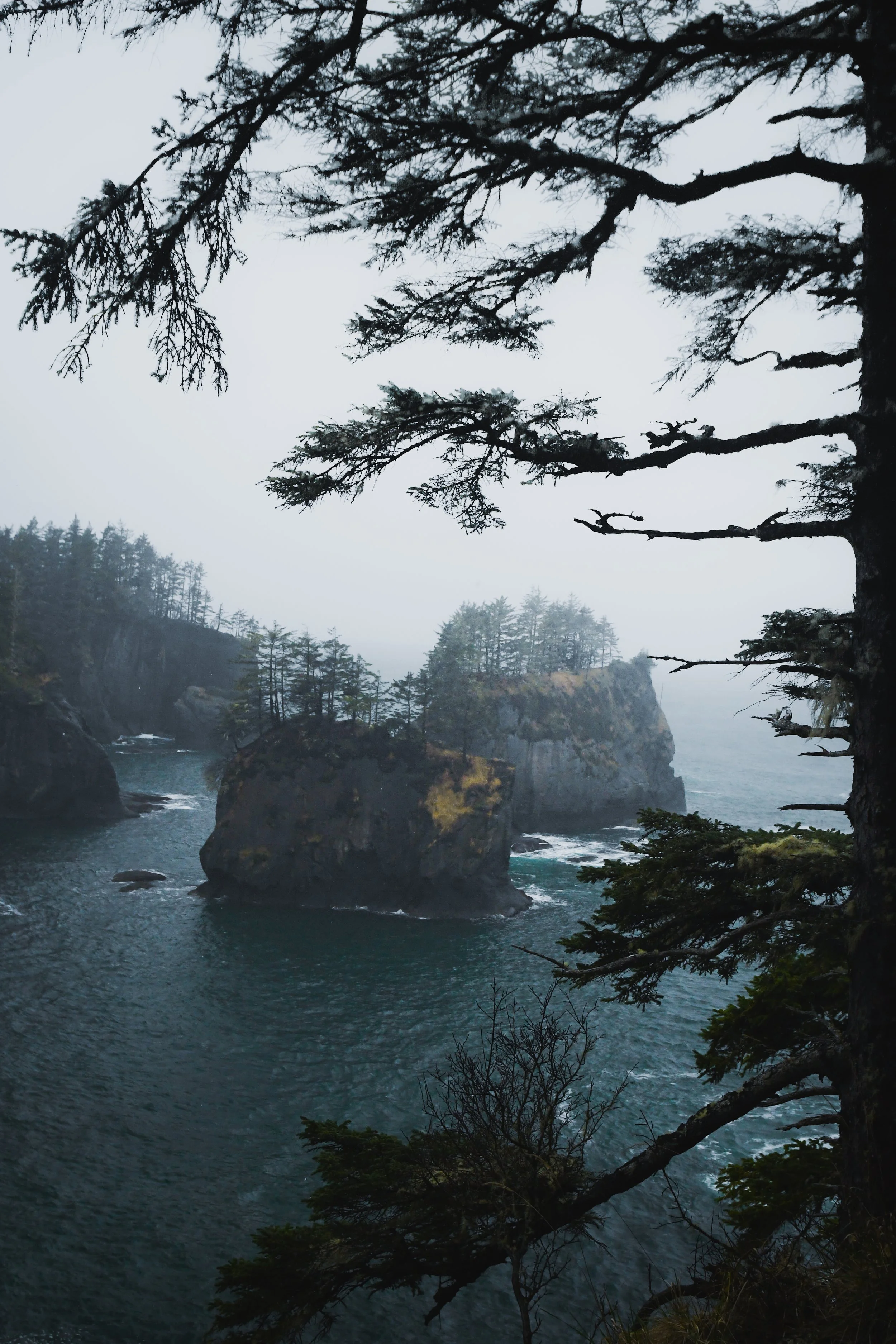
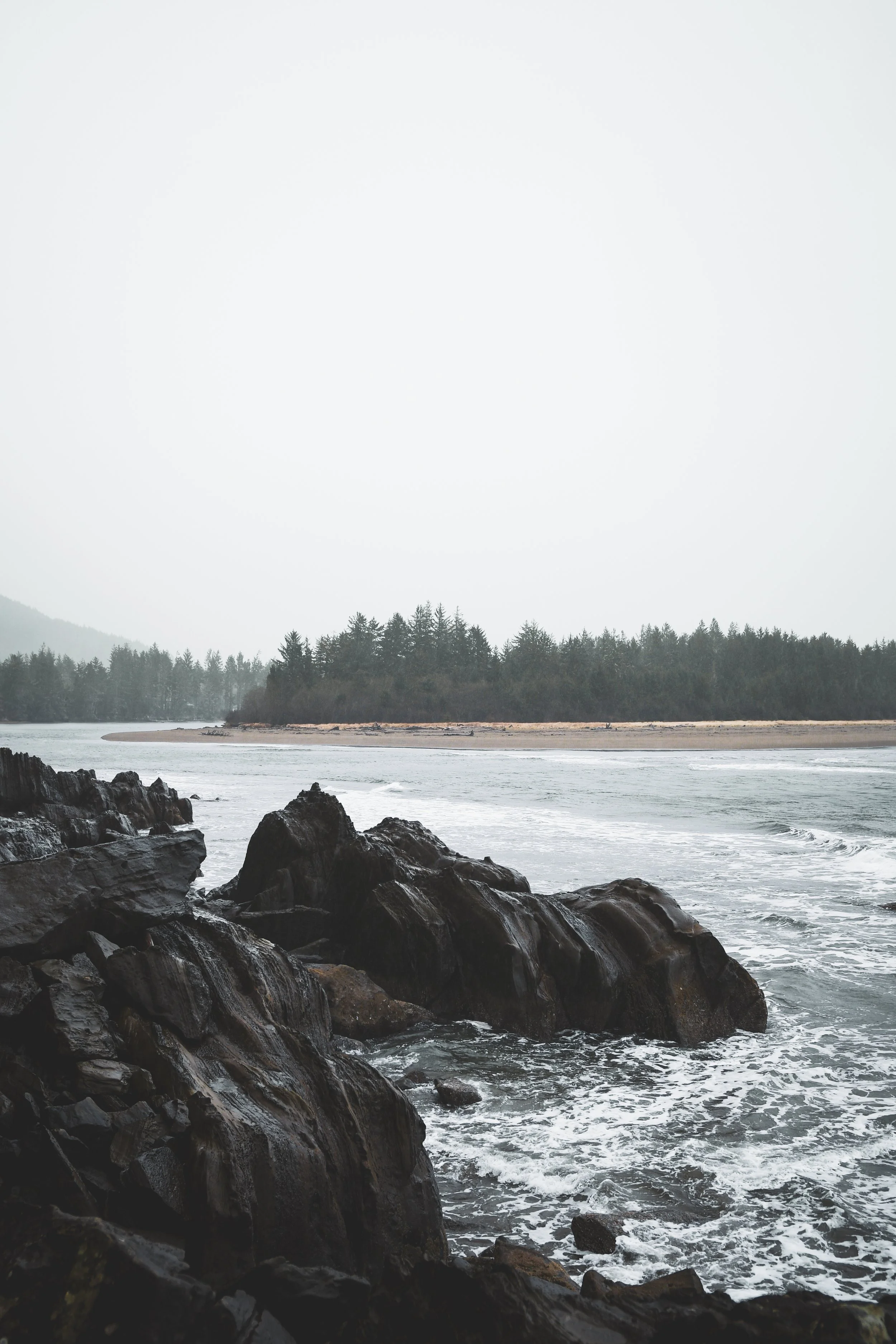
Photos Above: Cape Flattery in March, Neah Bay in February - Rachel Irene
Rialto Beach (1 hr 20 minutes from Port Angeles, 20 minutes from Forks)
Rialto Beach sits at the mouth of the Quillayute River across from La Push. This rocky beach is home to the iconic Hole in the Wall trail. Whether you choose to hike to that point or not (only a good idea if the tide is low) the beach is beautiful. You’ll see enormous piles of driftwood, dense forest along the shoreline, and huge sea stacks off the distance. In the rainy season, the weather can be particularly intense along the coast with dramatic storms. Be sure to be mindful of the tides and sneaker waves!
La Push (1 hr 20 minutes from Port Angeles, 20 minutes from Forks)
La Push is a small coastal community on the Quileute Reservation. Upon arriving in town, be aware that parking on Quileute land requires a parking pass. Stop at the Lonesome Creek Store to purchase your pass before continuing to sight-see! There is some public parking near the store (watch for signs) or you can head farther into town to one of the lots near First Beach. Among the beaches in and around La Push, First Beach is the easiest to access. Similar to Rialto Beach, you’ll find enormous trees washed up on shore and towering sea stacks on either end of the beach. If you are up for a hike, Second Beach and Third Beach are also nearby. These trails are more moderate and can be both muddy and steep… but they are beautiful!
Hoh Rainforest (2 hours from Port Angeles, 45 minutes from Forks)
The Hoh Rainforest is among the quietest places in the world. This is especially true once the crowds head home. After driving along the Hoh River, you’ll park in the large lot where the road dead-ends. There are a few different trails to choose from, but be sure not to miss the Hall of Mosses Trail. This short loop trail takes you through spectacular groves of trees covered in moss. In the rainy season, you are likely to encounter mud so be sure to wear a good pair of shoes. If you have additional time, you can hike the slightly longer Spruce Nature Trail. A bit quieter than the Hall of Mosses, this trail loops through a beautiful forest and includes a small section next to the Hoh River.
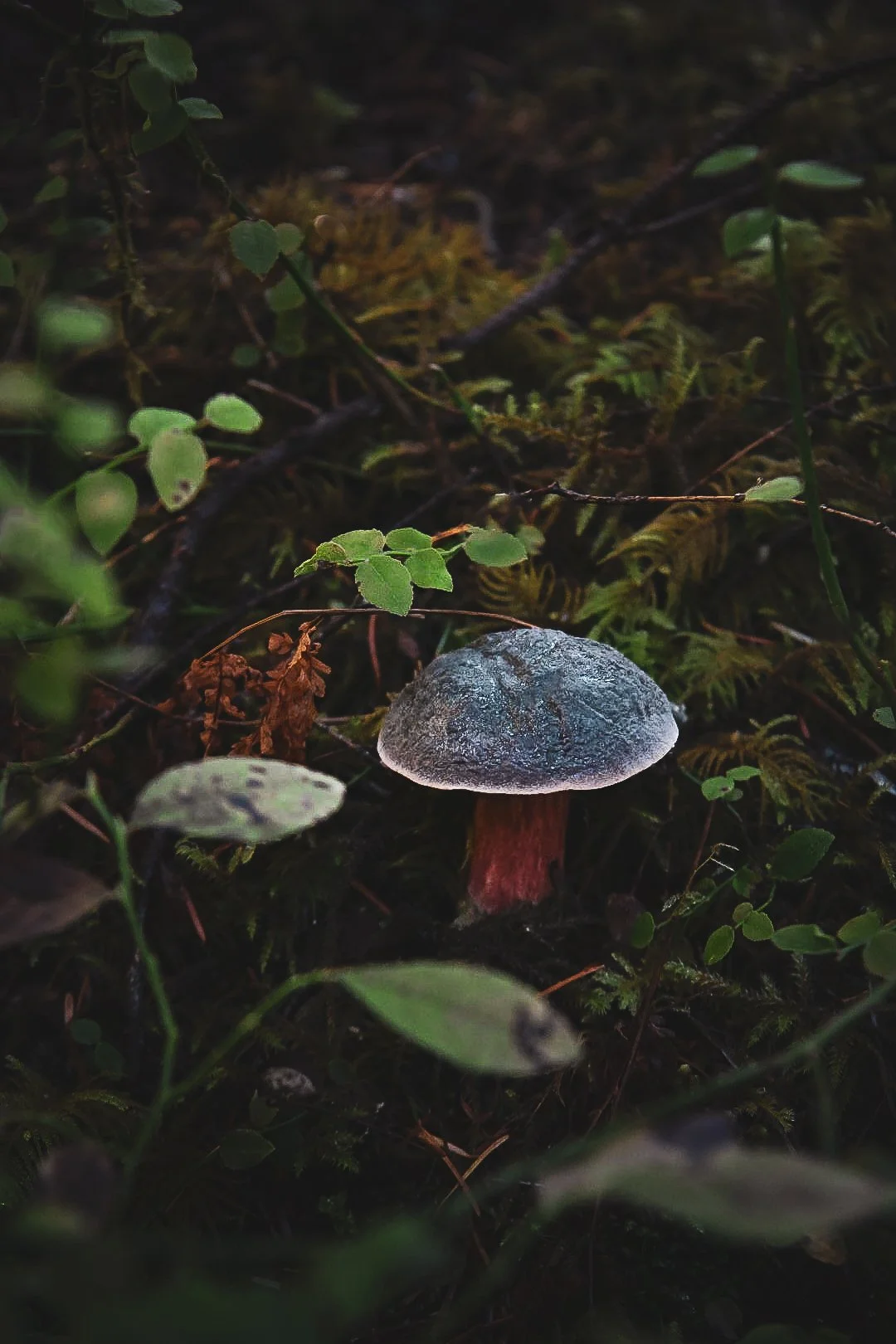
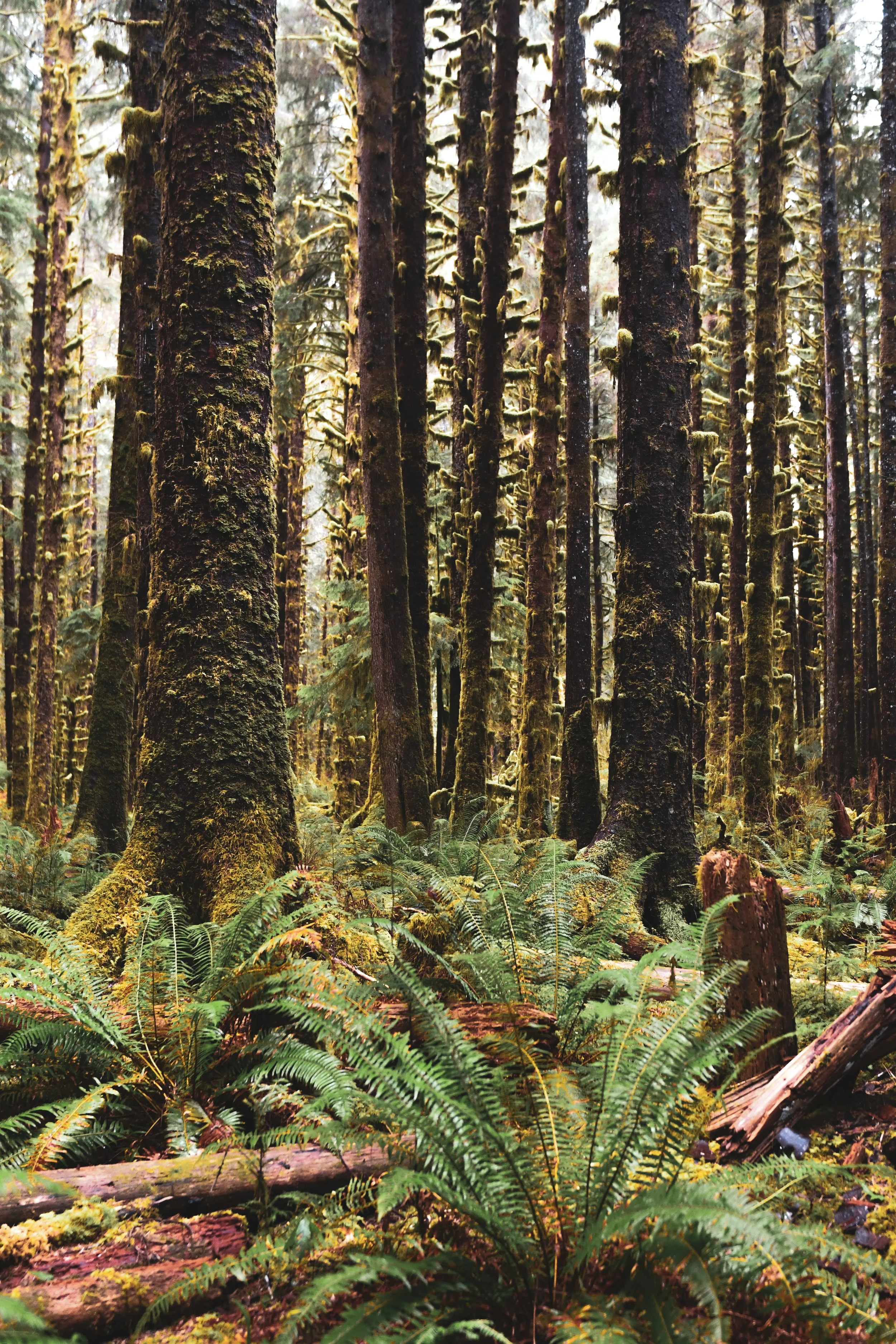
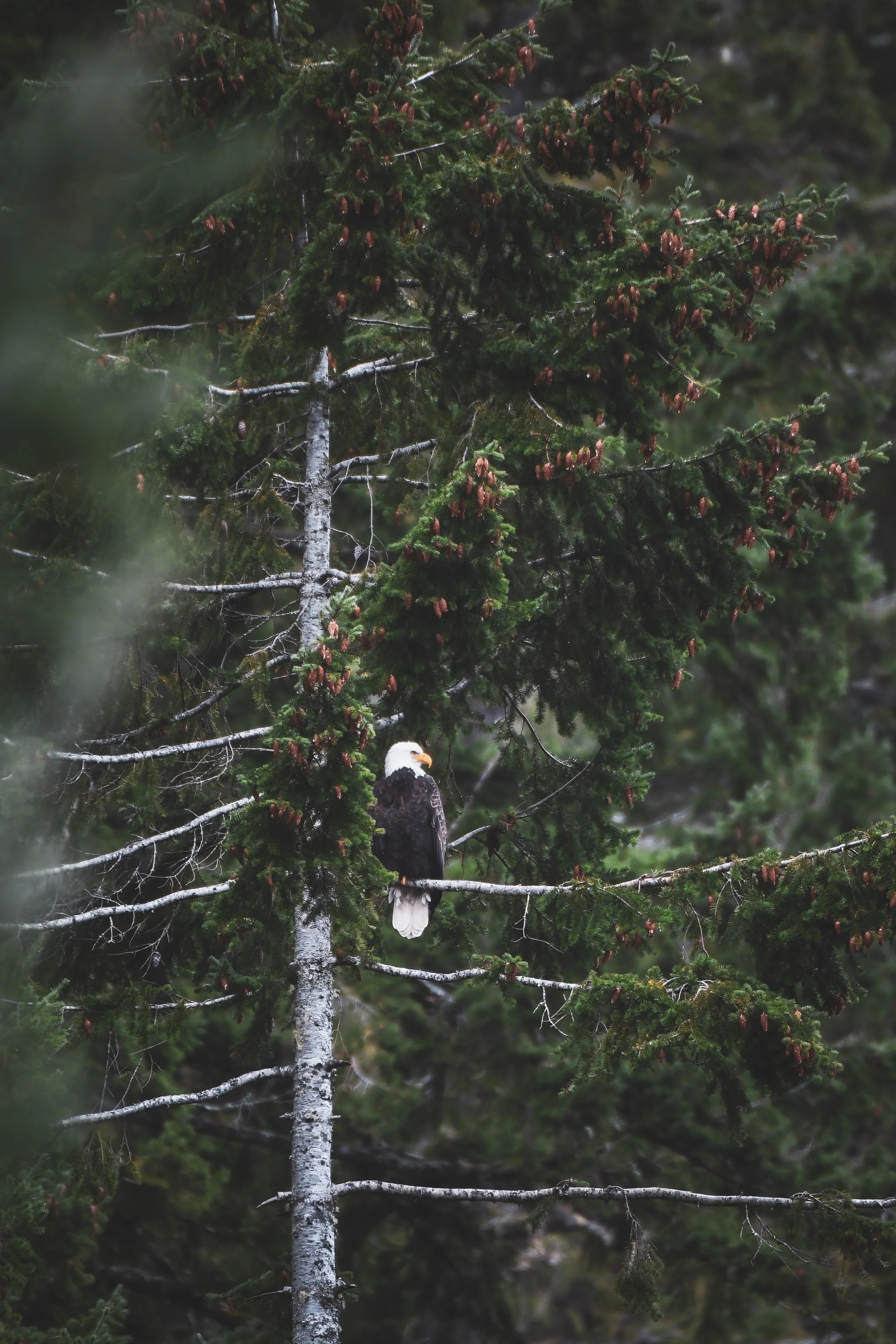
Above Photos- Hoh Rainforest area in October or November
Ruby Beach (40 minutes from Forks)
Ruby Beach is an absolute gem along the Washington Coast. After parking, follow the downhill trail to the beach (about 1/3 of a mile). On the way down, there are great views of the impressive sea stacks. Once you’ve made it down, it’s important to be aware of the tide! Waves can quickly sweep this area without much warning. If the tide is low, enjoy strolling between the sea stacks and along the rocky shoreline. If you happen to be here on a clear day, the sunsets are incredible!
Kalaloch Beaches (45 minutes from Forks)
Ruby Beach is considered the northern most part of the Kalaloch area. Follow Highway 101 south for more scenic beach access points. There are numerous campgrounds, trails, and viewpoints right next to the highway.
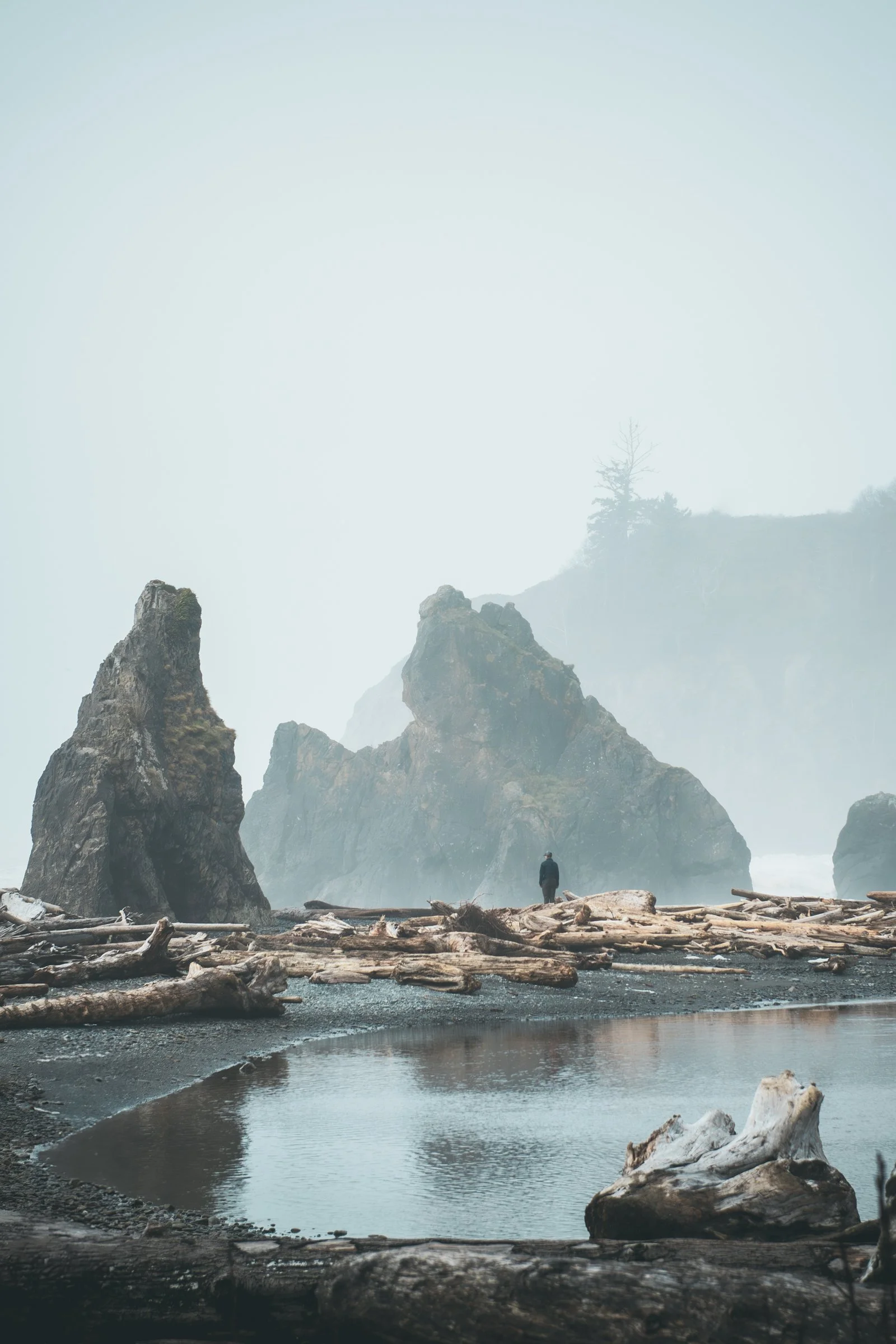
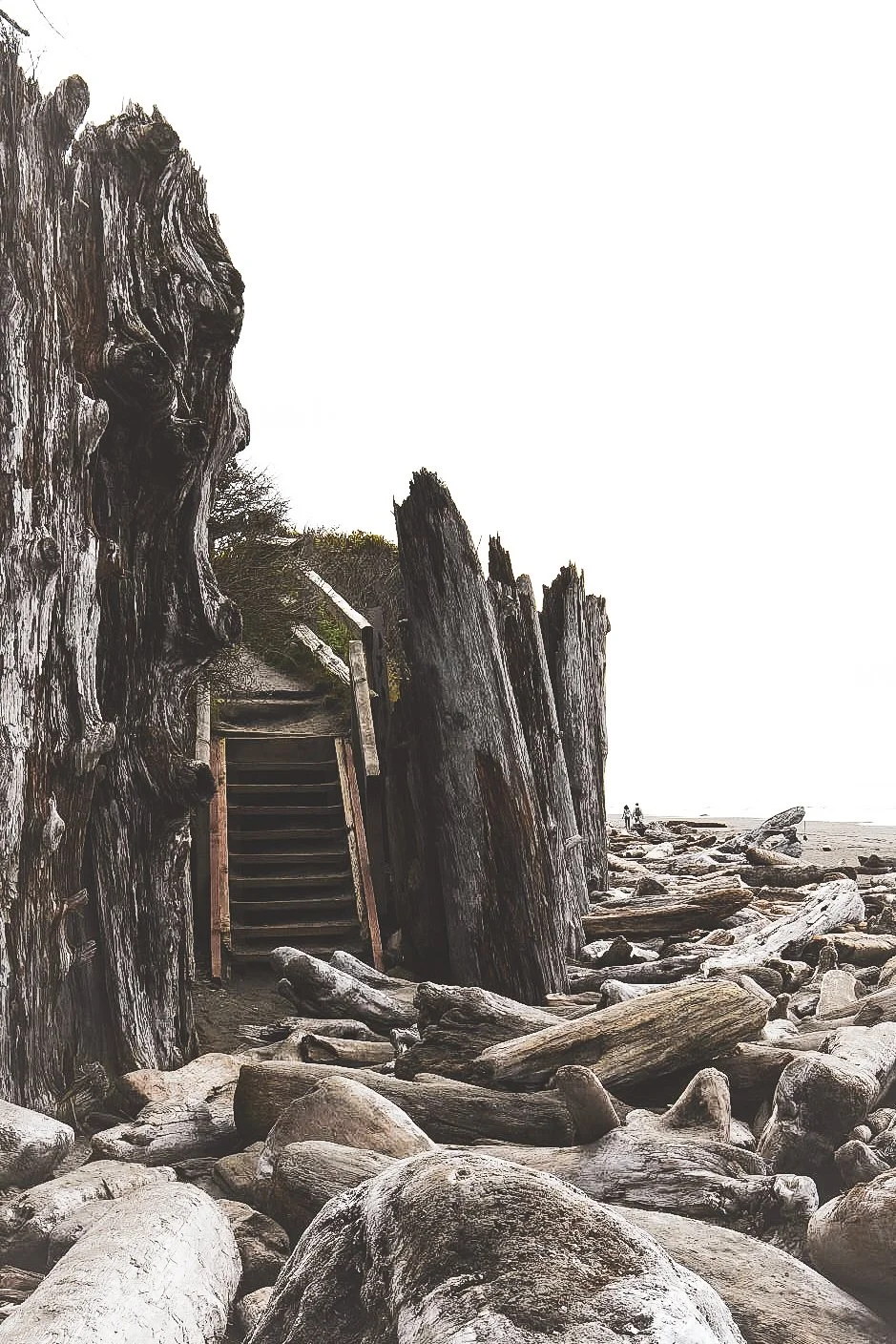
Photos Above: Ruby Beach in March, Kalaloch in March- Rachel Irene
Quinault Lake & Rainforest (1 hr 20 min from Forks)
Quinault Lake is located on the southwestern sided of Olympic National Park. Adjacent to the lake, you’ll find a gorgeous historic lodge, and lush, green rainforest. Much less traveled than the northern end of the park, this area will be a perfect place to explore if you enjoy having trails to yourself.
Merriman Falls (10 minutes from Lake Quinault Lodge)
Merriman Falls is a scenic waterfall located right on the side of the road just north of Lake Quinault Lodge. There’s no hiking required, so if you are in the area, definitely be sure to make a quick stop to see the water cascading down the mossy rocks.
Maple Glade Rainforest Trail (20 minutes from Lake Quinault Lodge)
The Maple Glade Rainforest Trail isn’t a spot to go out of your way for, but if you are in the Quinault area, it is worth a visit. This short, easy nature trail winds through a thick grove of maple trees and wetlands. Moss drapes all of the maple trees, the water in the glade is crystal clear, and there are rarely any crowds. It is a very peaceful, quiet, and scenic spot on the southern end of Olympic National Park.
What to Expect
Where should I stay for a trip to Olympic National Park?
Depends on what you are looking for! If you want to stay in a place with ample lodging options, restaurants, shops, etc. and take day trips to the different locations, your best bet is probably Port Angeles. Port Angeles is one of the most significant towns in the area. Another option is Sequim, just west of Port Angeles. Staying in Sequim will mean you are 15 to 20 minutes farther from the park than you are if you stay in Port Angeles. Staying in either Port Angeles or Sequim will require quite a bit of driving to get to places on the coast and the Hoh Rainforest.
If you are looking to stay in a place a bit more connected to the landscape and unplugged from city life, you might consider staying in one of the small towns on the peninsula. There are hotel/motel options in Forks and La Push, though other services like restaurants are minimal. For an even more remote option, there are Airbnbs and smaller accommodations outside of city limits. For example, you might book a lakehouse on Lake Sutherland or find a tiny cabin sitting on the banks of the Strait of Juan de Fuca outside Clallam Bay or Sekiu.
Another option would be to road trip Highway 101 and stay in multiple places. For this option, a night or two in Forks and then a night or two in Port Angeles would be perfect!
The exception to the above options is the Quinault area. Lake Quinault is far enough away from Port Angeles that you likely wouldn’t make that drive for a day trip. If you’d like to explore the Quinault area, you might consider the Lake Quinault Lodge or the Rain Forest Resort Village.
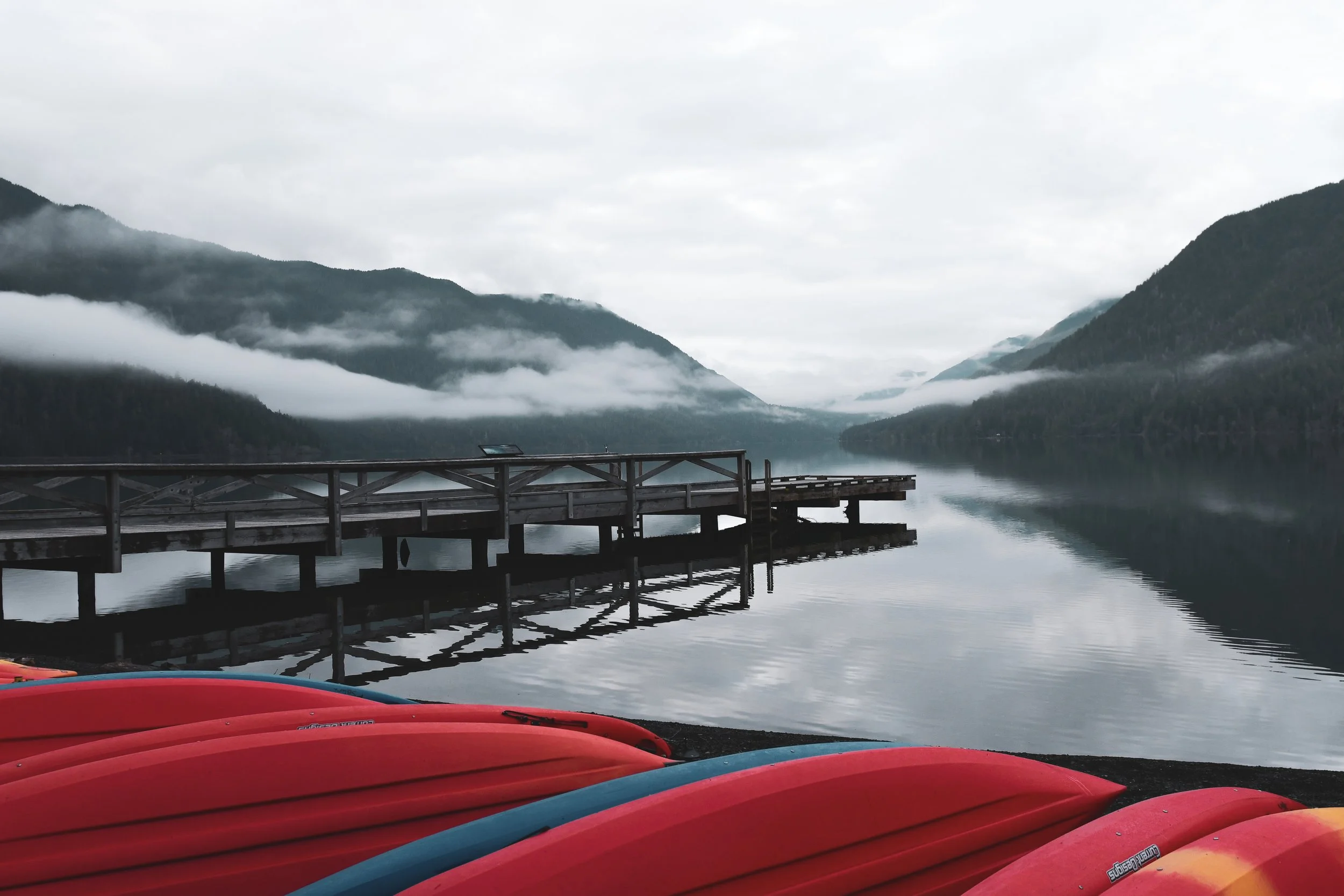
Lake Crescent in February- Rachel Irene
How long should I stay?
To fully explore the Olympic Peninsula and Olympic National Park, you’ll need a minimum of three days. Ideally, four or five days would allow you to take your time exploring all the different corners of the west side of the park at least once.
What should I do each day of my trip to make I see everything?
Use the map to see which spots are close by each other! For example, it would be easy to see Ruby Beach and the Hoh Rainforest in the same day. Alternatively, visiting Cape Flattery and the Hoh Rainforest in one day just doesn’t make sense. It’s also wise to check the weather to help you plan. If the forecast calls for winter storms, it’s probably best to spend more time at lower elevations by the coast. If it’s lightly raining, it might be a perfect day to wander through a rainforest or trek to waterfall. If the skies are clear, it might be a great day for a trek up to Hurricane Ridge or take in a sunset at the beach.
What do I need to check before I arrive?
Prior to your trip, check the forecast for Port Angeles and Forks (some other locations you might also check: Neah Bay, Kalaloch, and Joyce). While these places don’t look far from each other on a map, the geography of the region can mean the weather is very different in each place. Typically, the most reliable forecasts can be found at NOAA. Also be sure to check road conditions and park closures. These can change day to day, so keep a close eye out!
What should I pack?
Your best bet is to be sure you have options for a variety of weather conditions. Layers and more than one change of clothes are a good idea! In the rainy season, anticipate that you might get wet, so having waterproof options and dry clothes on hand is important. You might also encounter mud and standing water, so a solid pair of shoes is wise. It can also be randomly warm and sunny from time to time, so lighter jackets might be helpful. Here are some possible options to get you started!
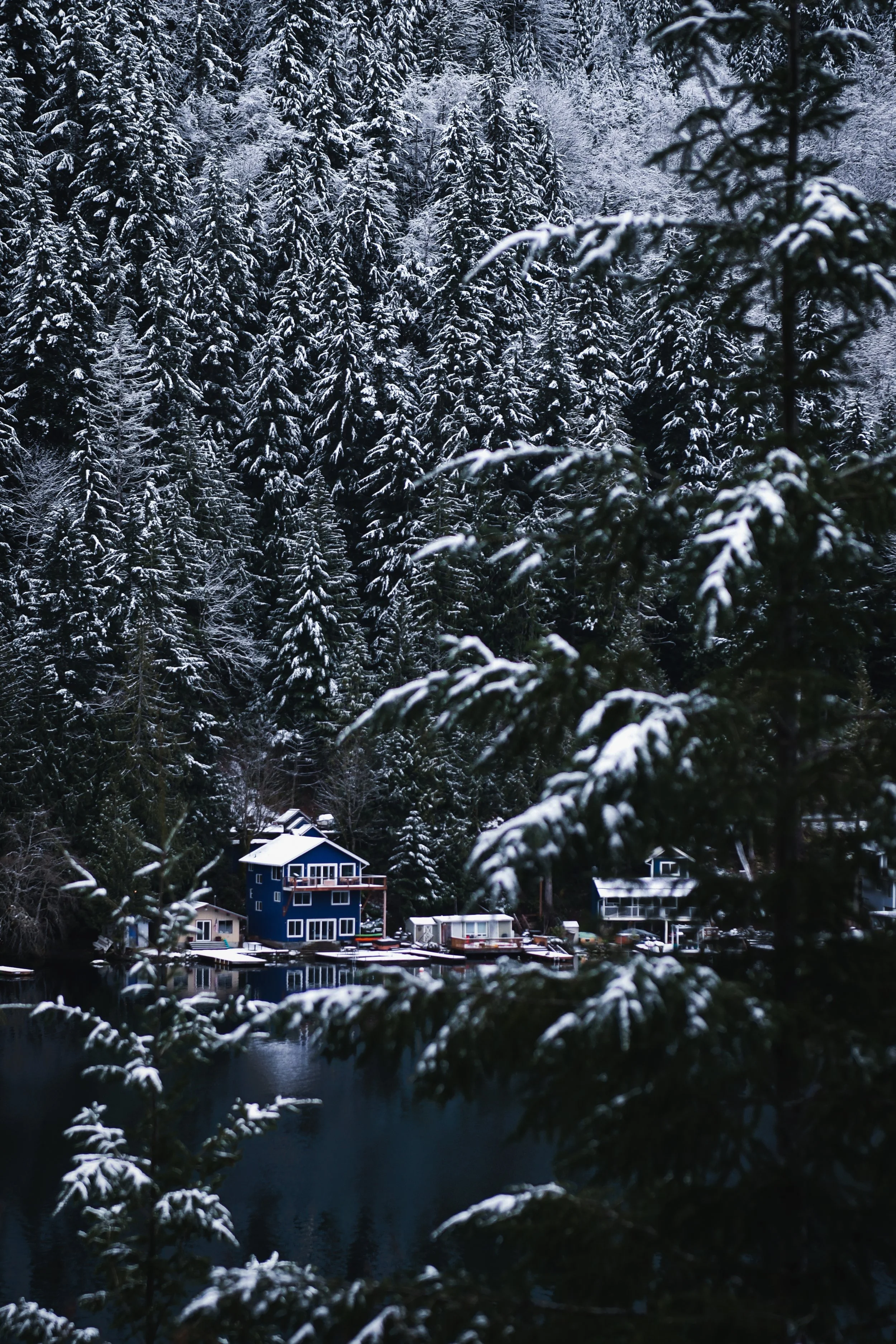
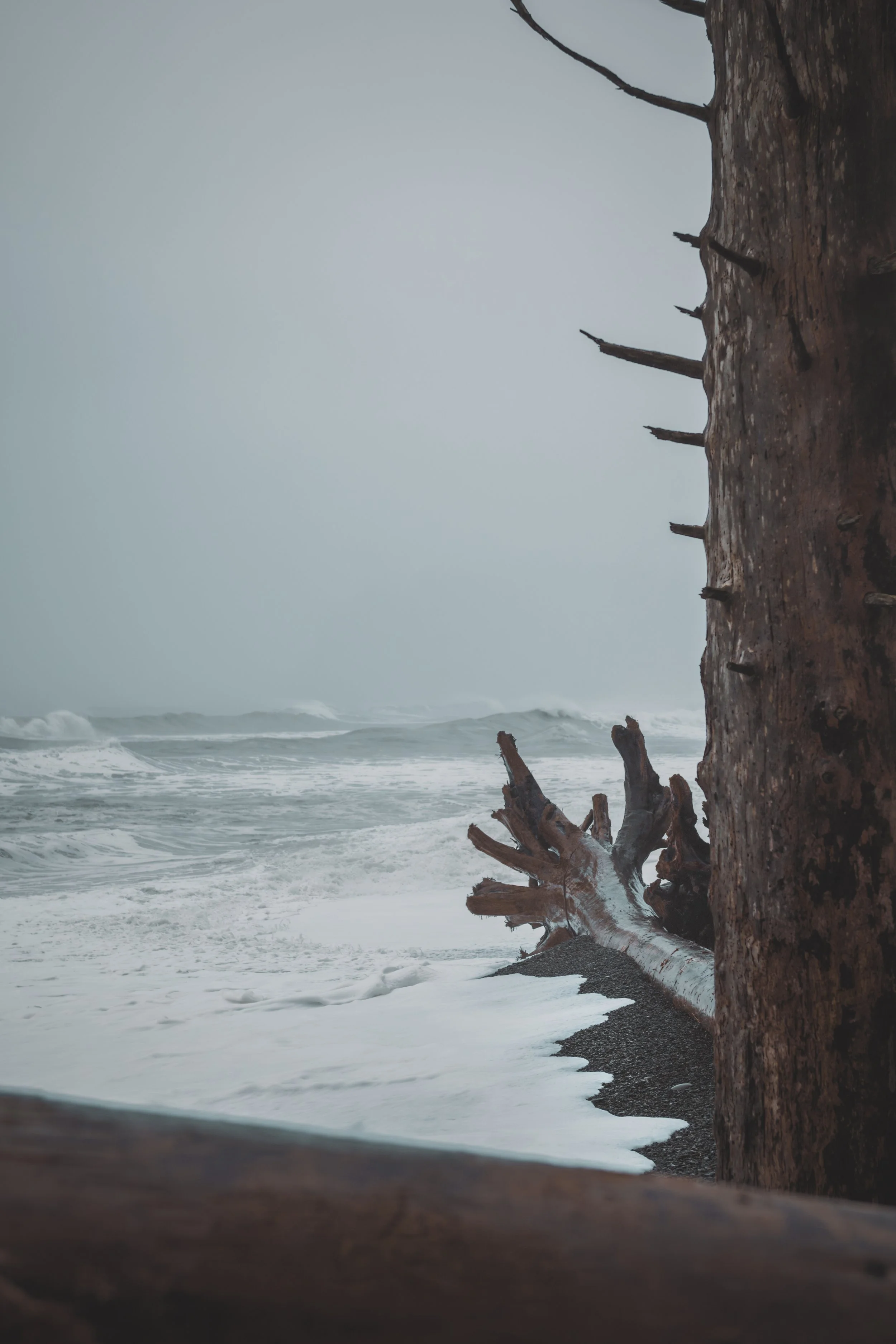
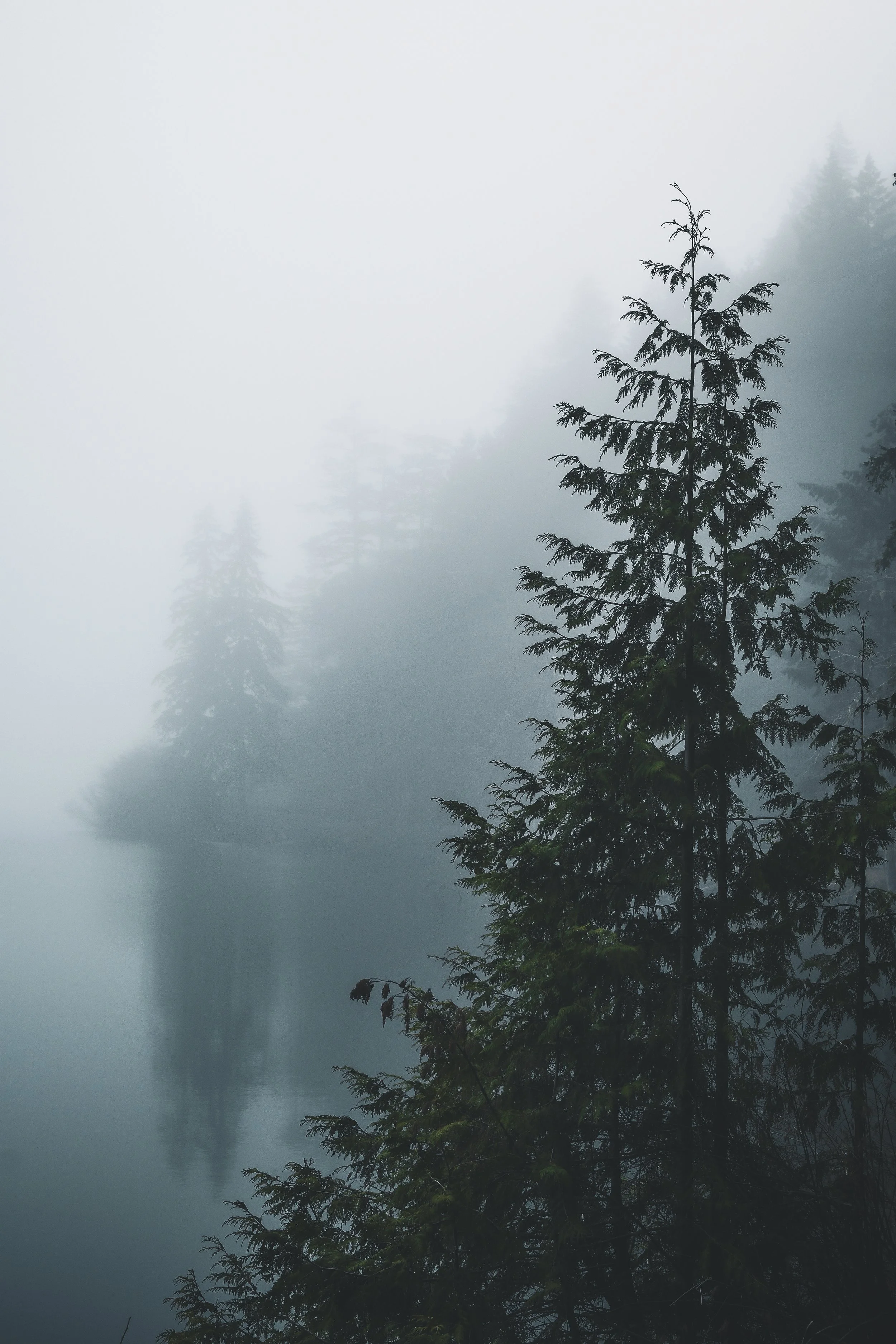
Photos Above: Lake Sutherland in February, Rialto Beach in March, Crescent Lake in November
A Few More Quick Travel Tips:
Start early to maximize daylight. The days are short from October to April, so plan to get going early.
Plan with the weather in mind… but don’t wait for the perfect weather. Make the most of your time, even if the weather isn’t ideal!
Check the forecast, road conditions, and tide charts frequently.
Stay at lower elevations during winter storms to avoid ice and snow.
Don’t schedule every minute! There are a lot of beautiful places on the Olympic Peninsula not mentioned above, so leave room for the unexpected!
Bring changes of clothes, snacks, and water. You’ll want dry clothes if you get soaked and it’s cold! Have a change of clothes in your car or backpack just in case. While there are grocery stores and gas stations in the small towns on the peninsula, they are not plentiful and they are often far apart. Having snacks and water with you is wise!
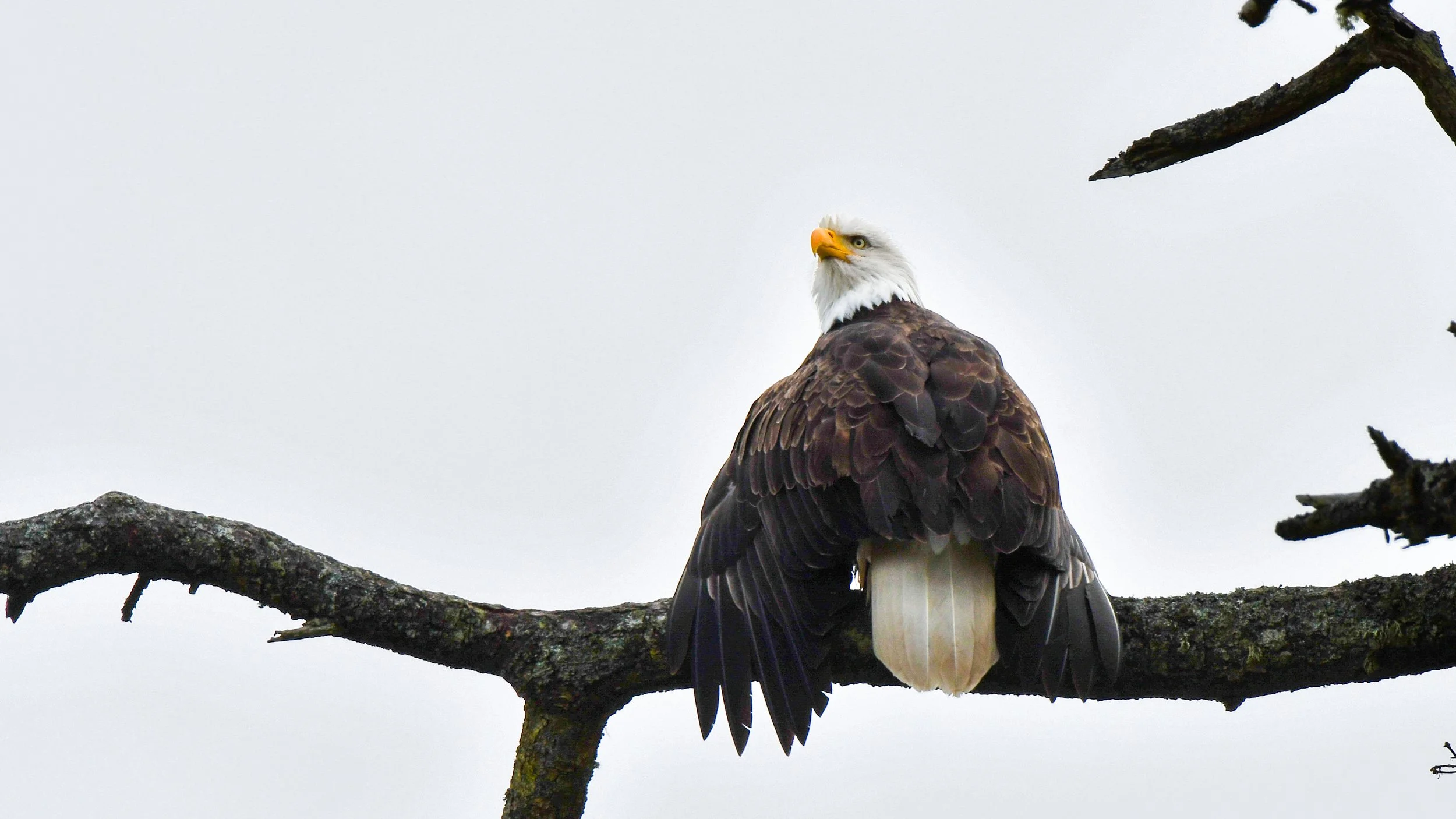
Be aware of wildlife. The Olympic Peninsula is home to all sorts of wild animals, so be alert and give any wildlife you come across plenty of space.
Download maps ahead of time. Cell service can be spotty!
If you’re solo, tell someone where you are going and when you’ll be back.
Summer may be the busiest and most popular season in Olympic National Park, but it certainly isn’t the only time worth going. With a little planning, flexibility, and maybe a waterproof jacket or two, there is so much magic waiting to be discovered.